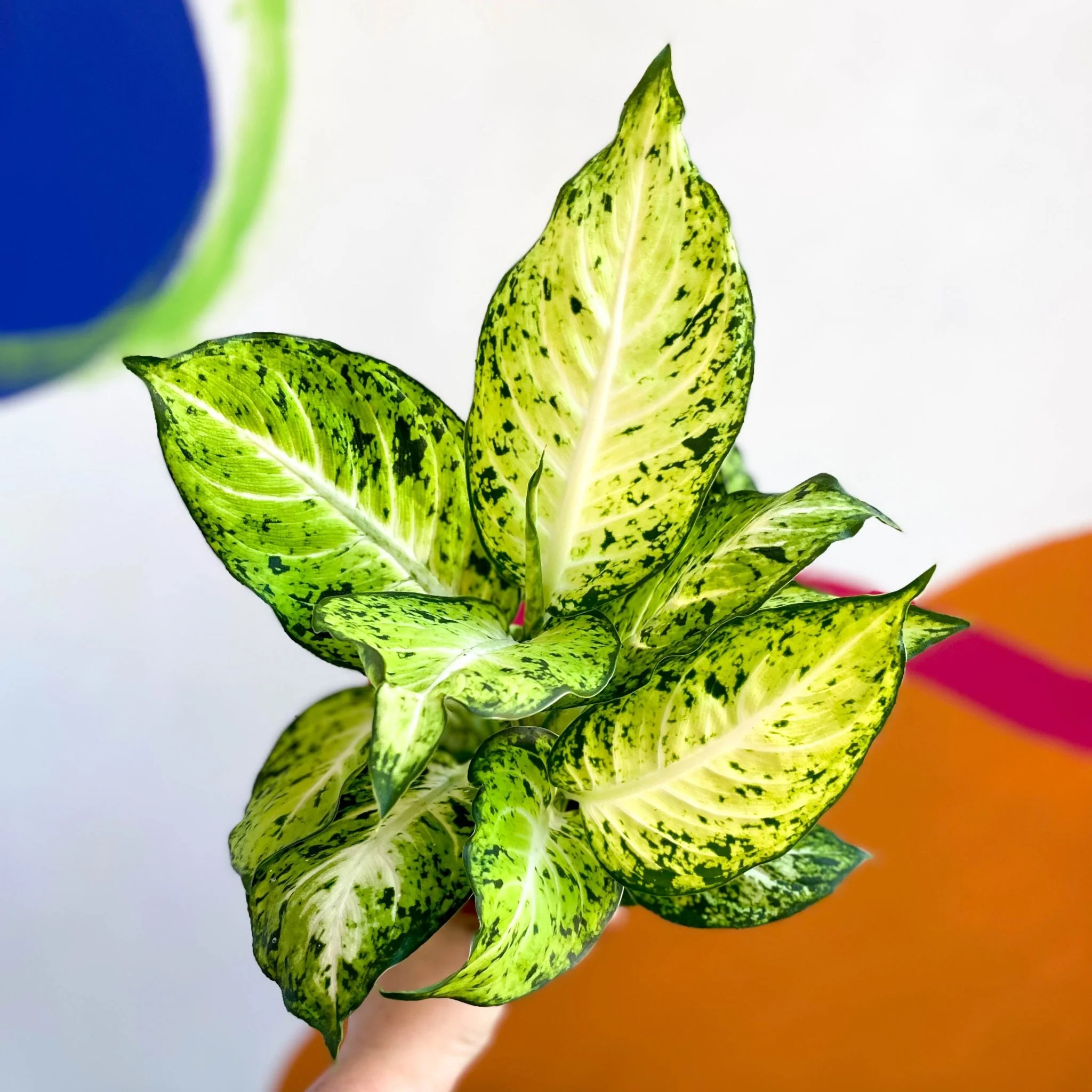
Dieffenbachia maculata 'Amy' - Leopard Lily
Scientific Name
Dieffenbachia (Dieffenbach's Plant) 'Amy'
Common Name
Dumb Cane, Leopard Lily, Mother-in-Law's Tongue
Origin
Native to New World Tropics, from Mexico and the West Indies to Argentina
Description
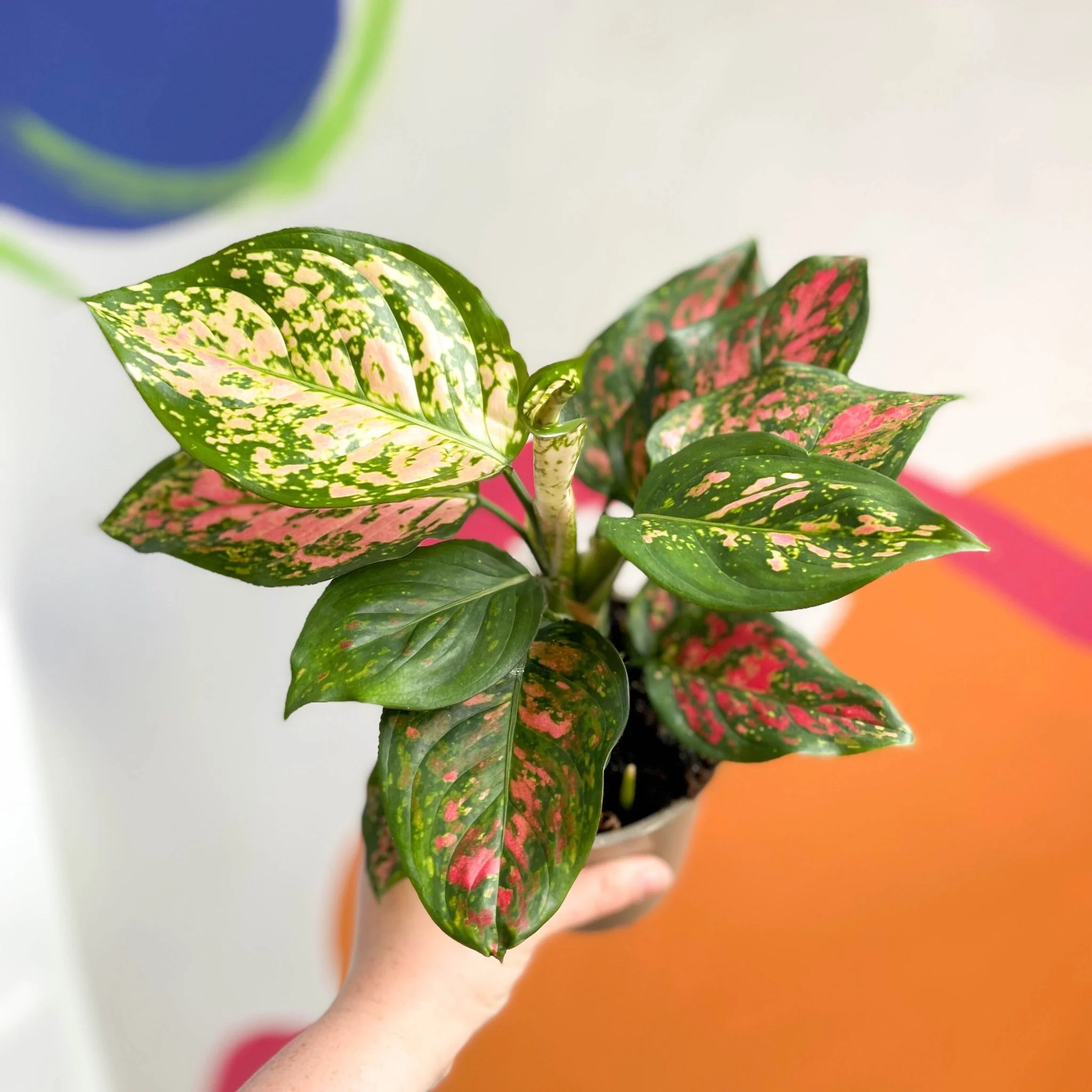
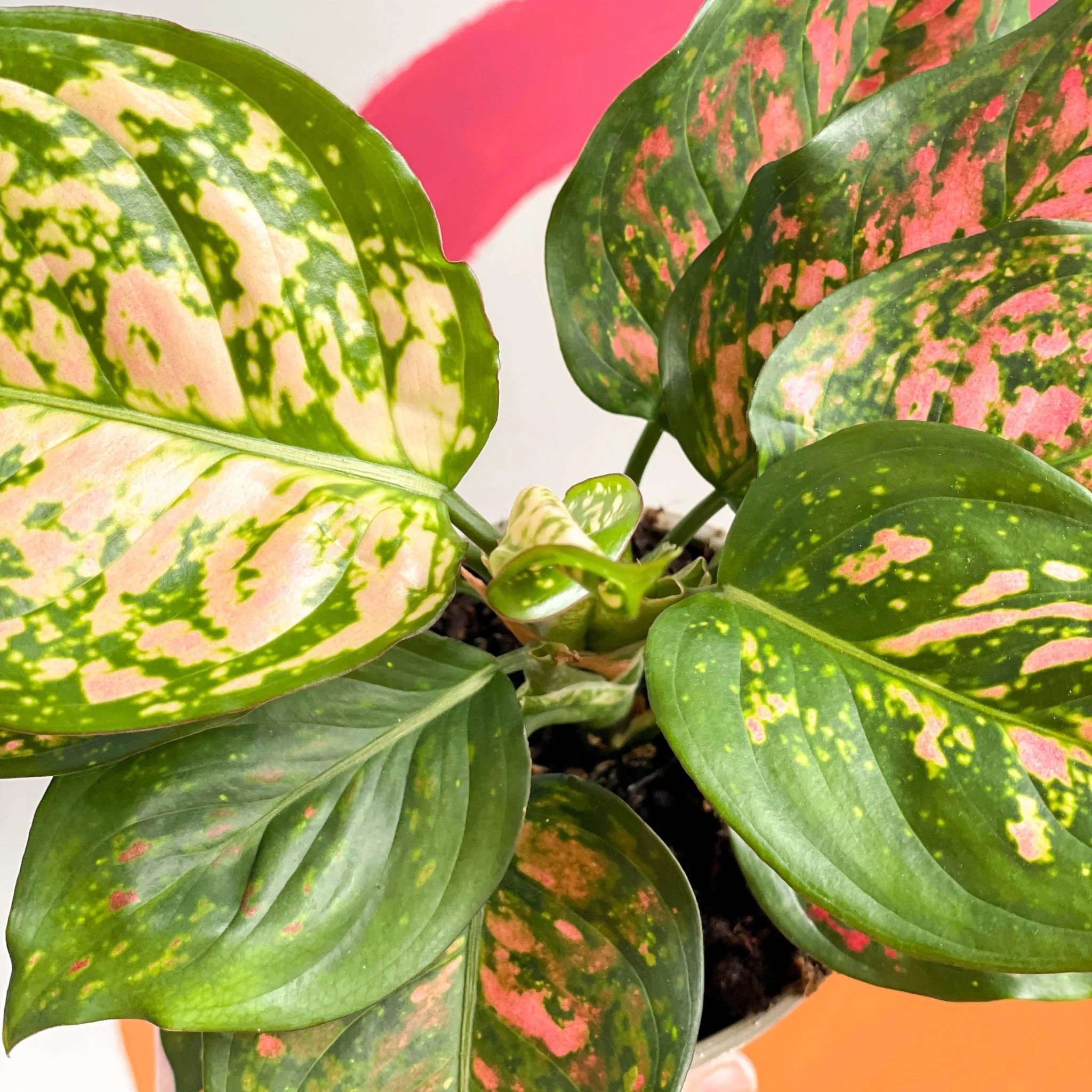
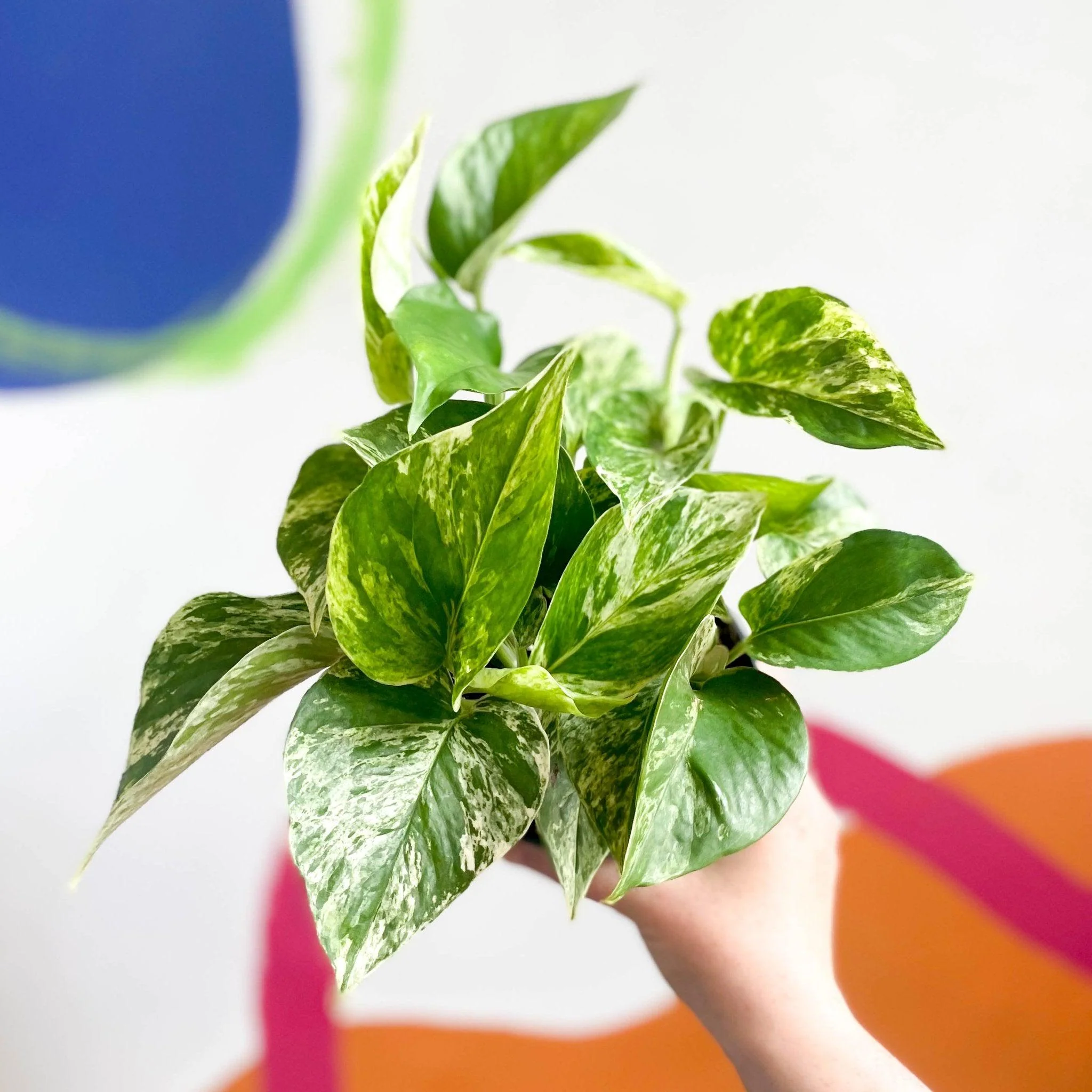
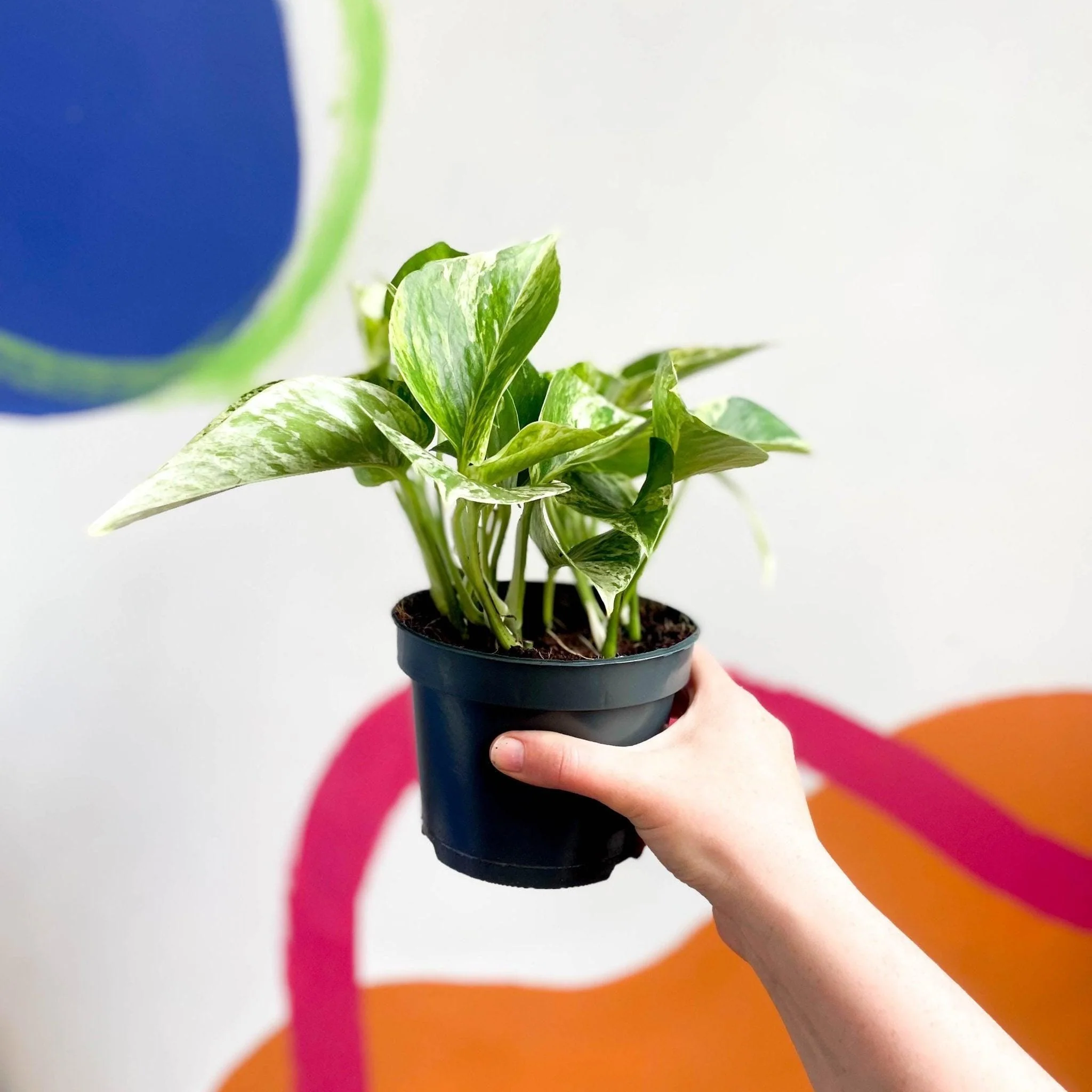
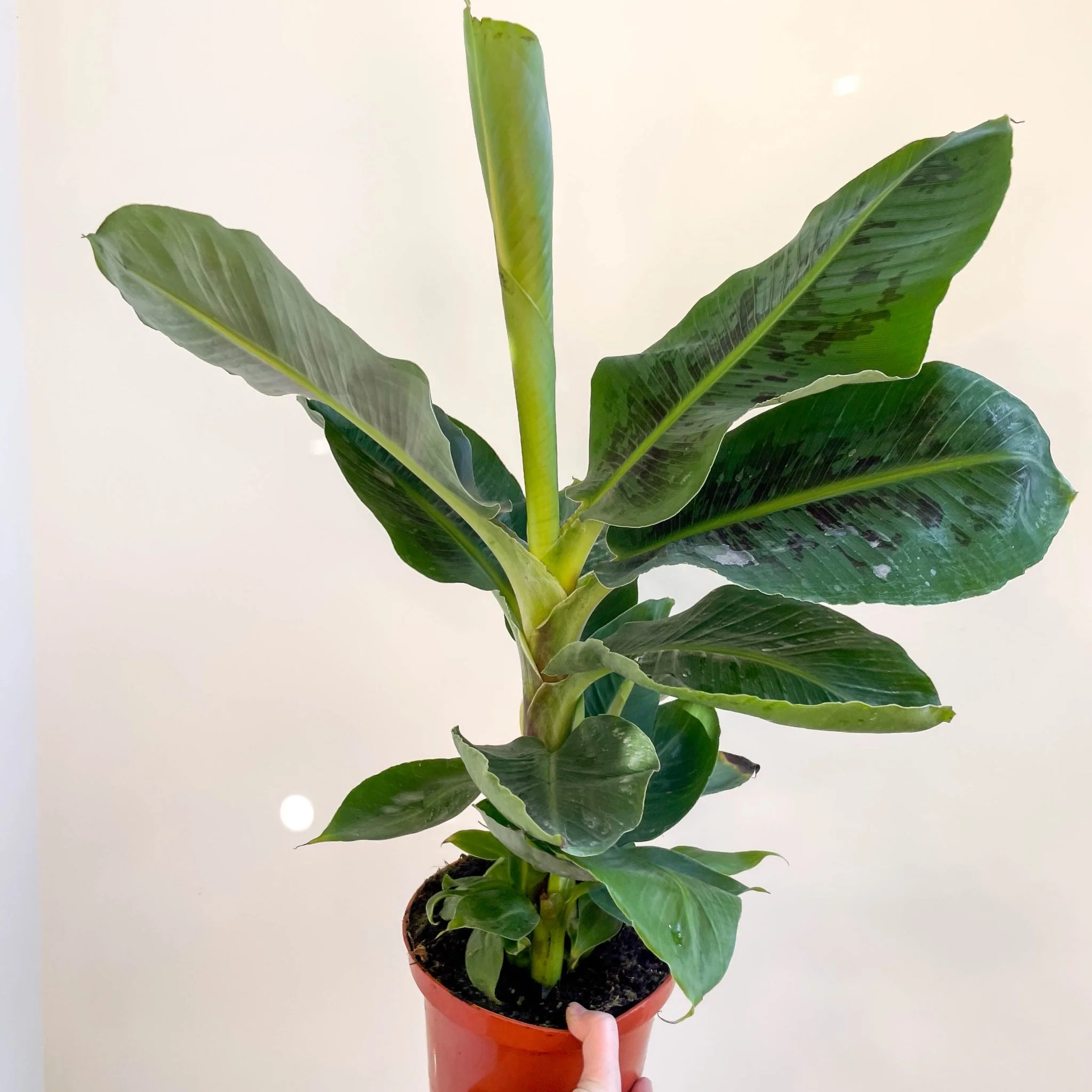
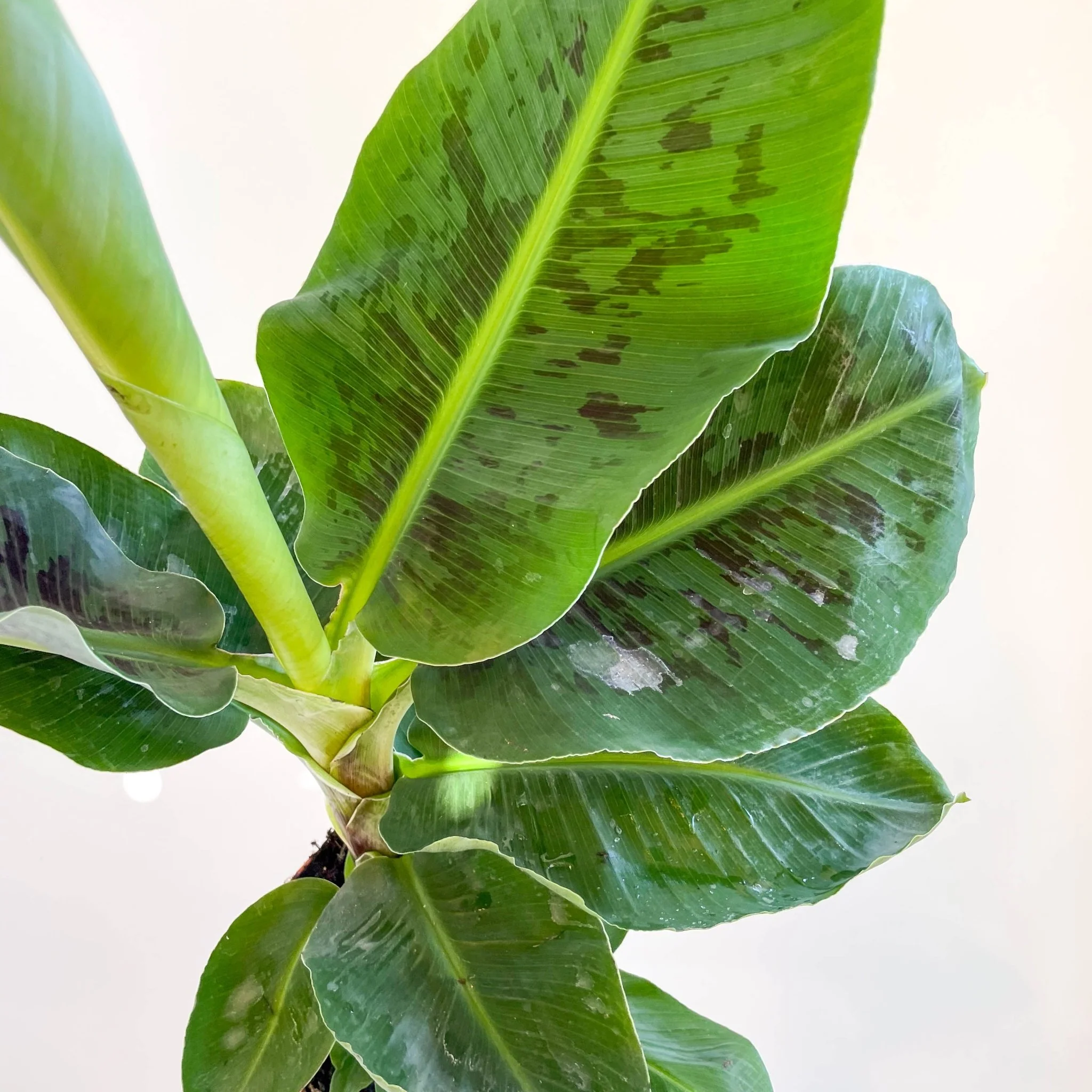
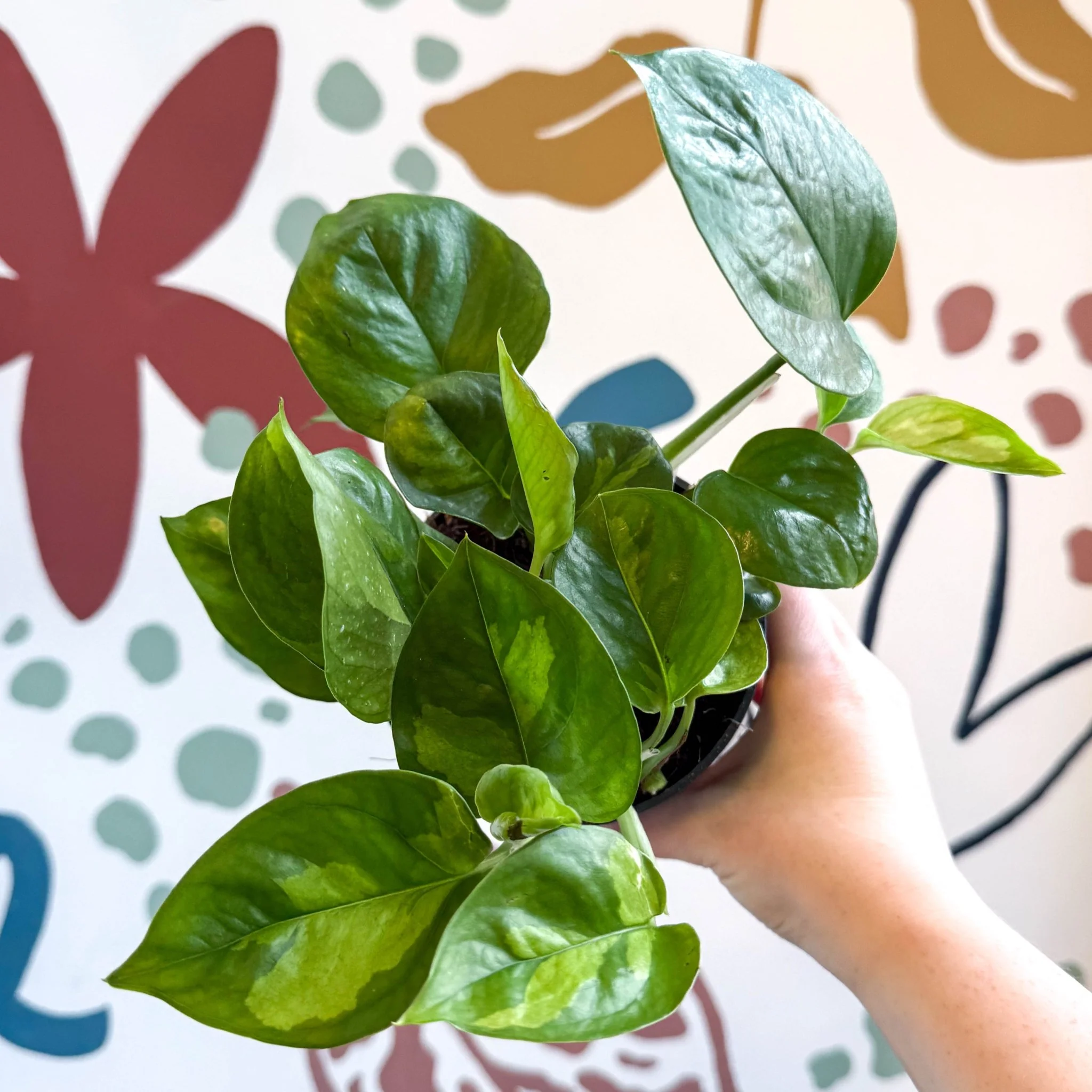
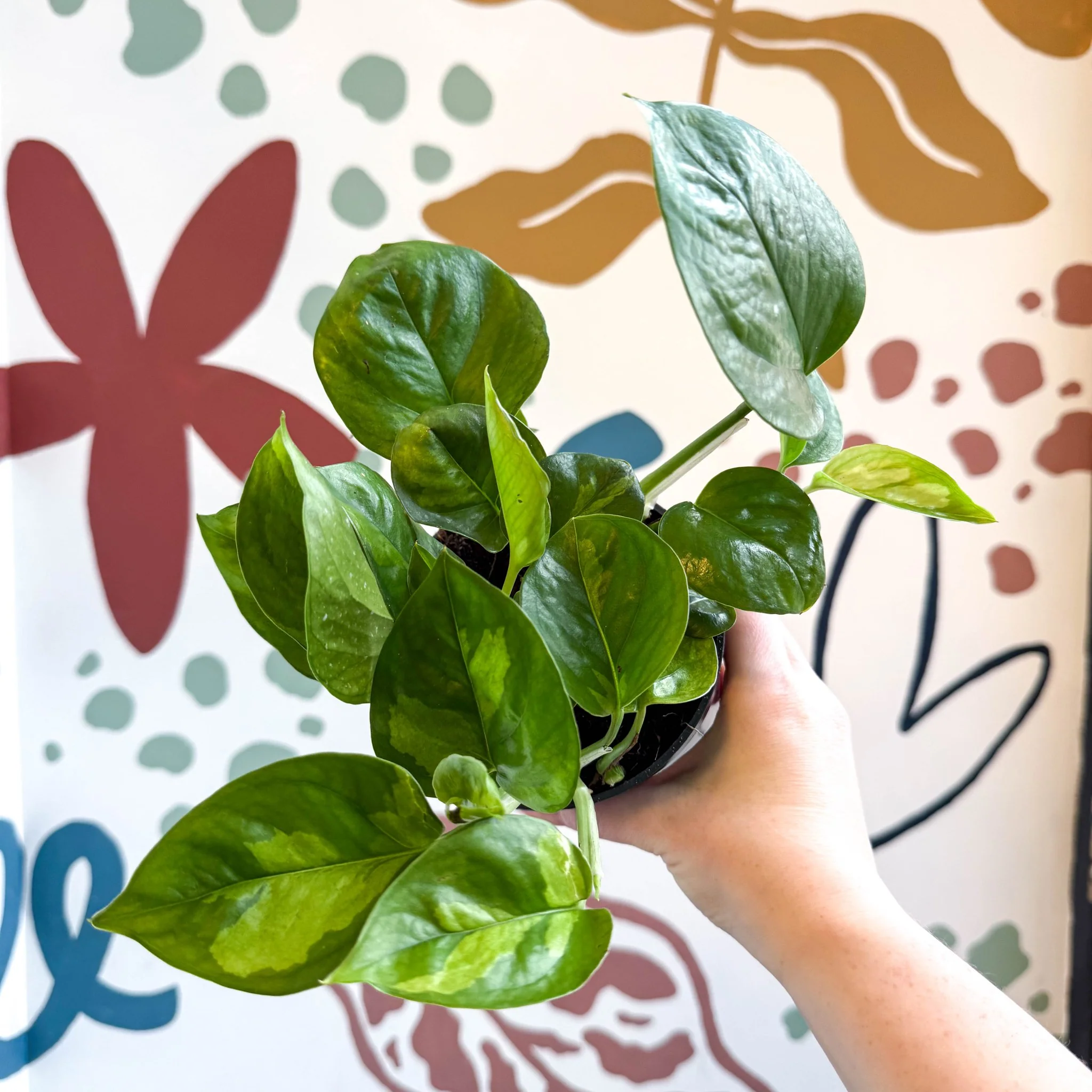
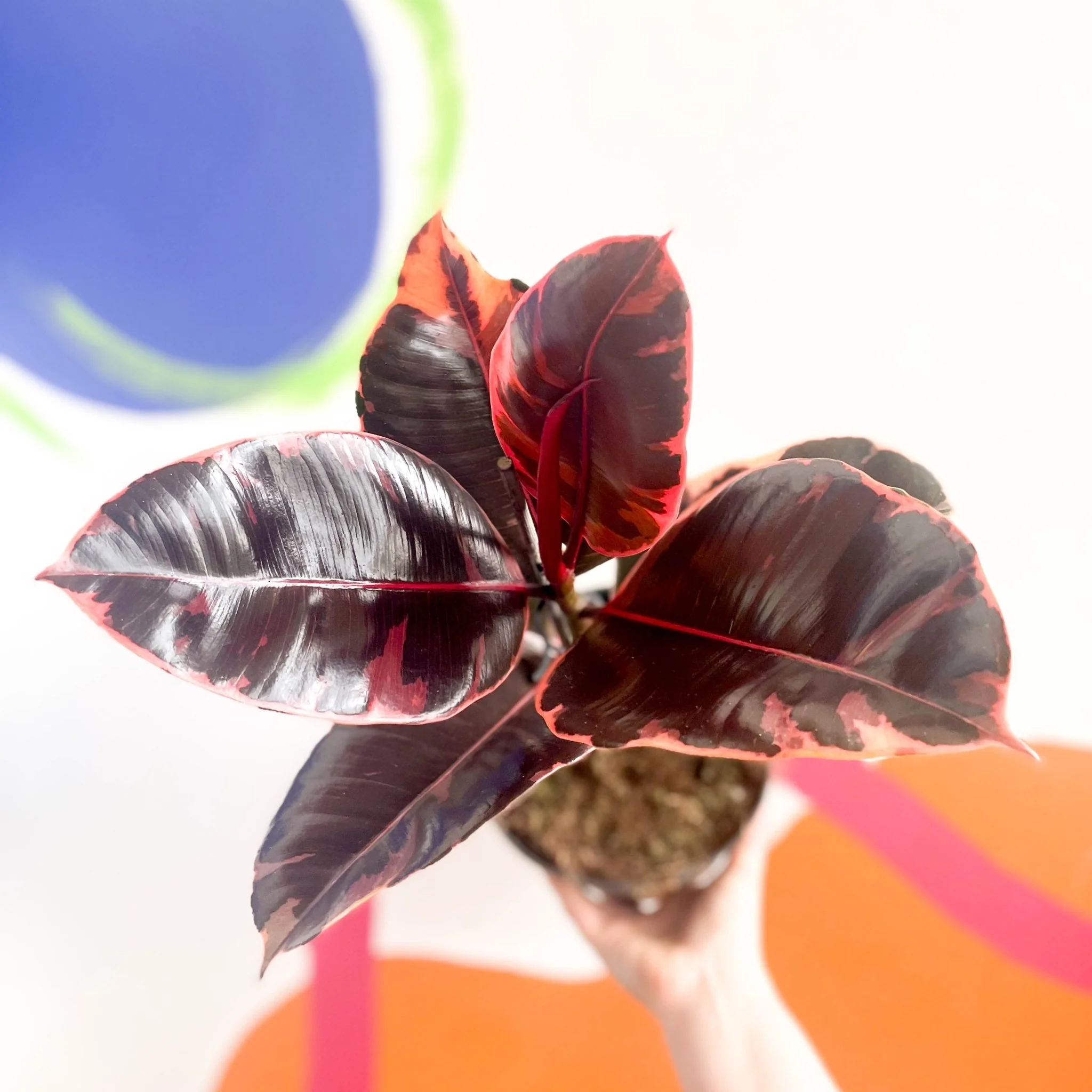
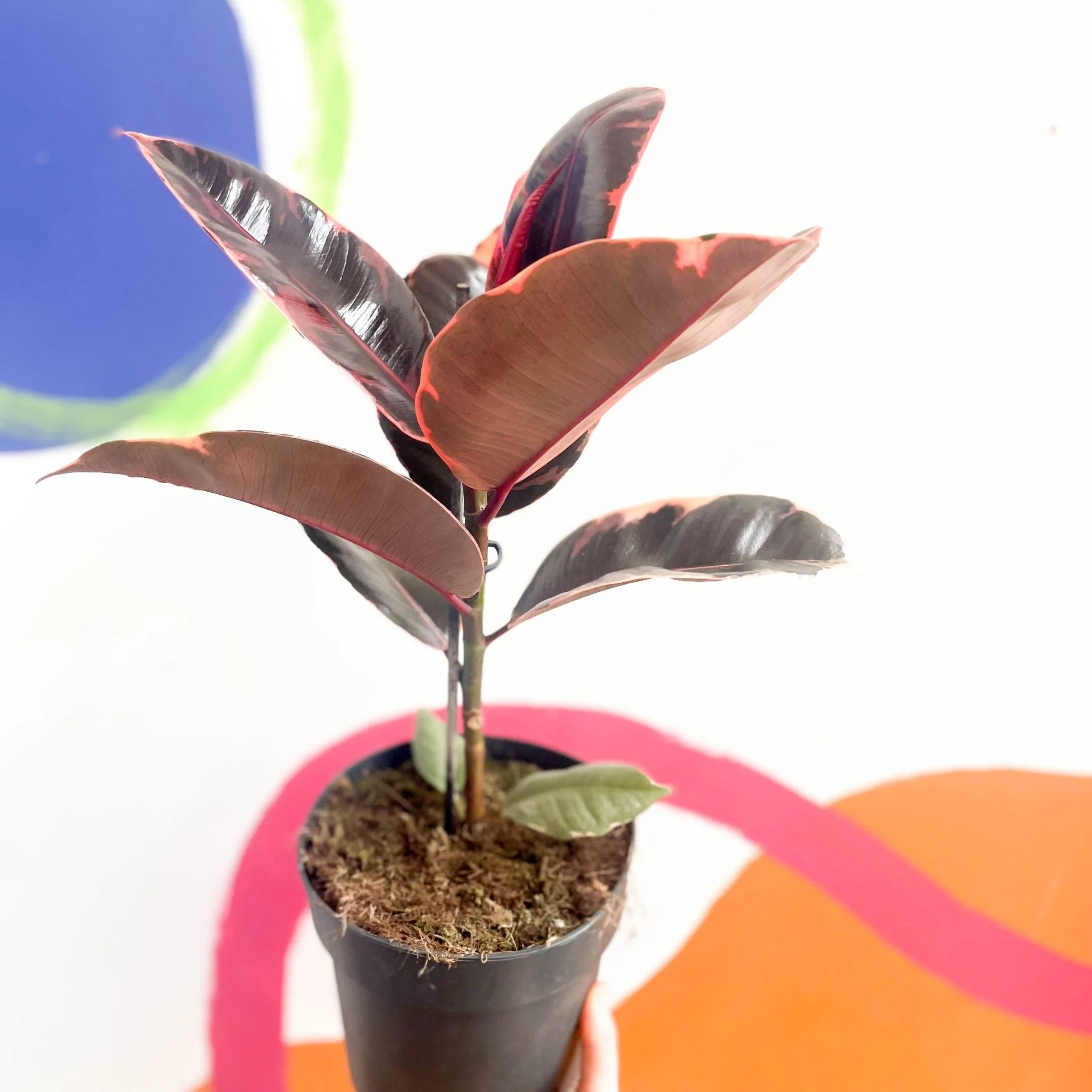
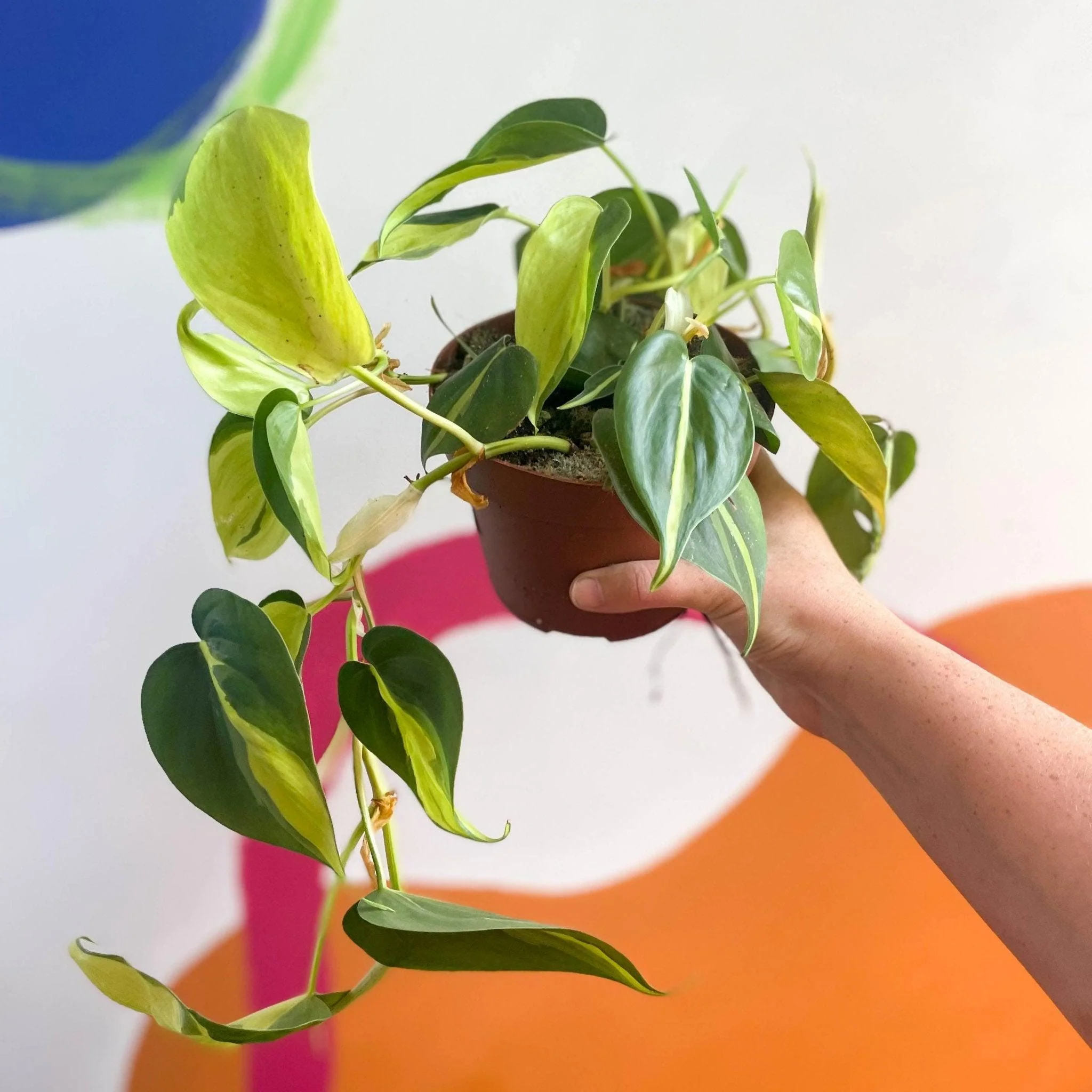
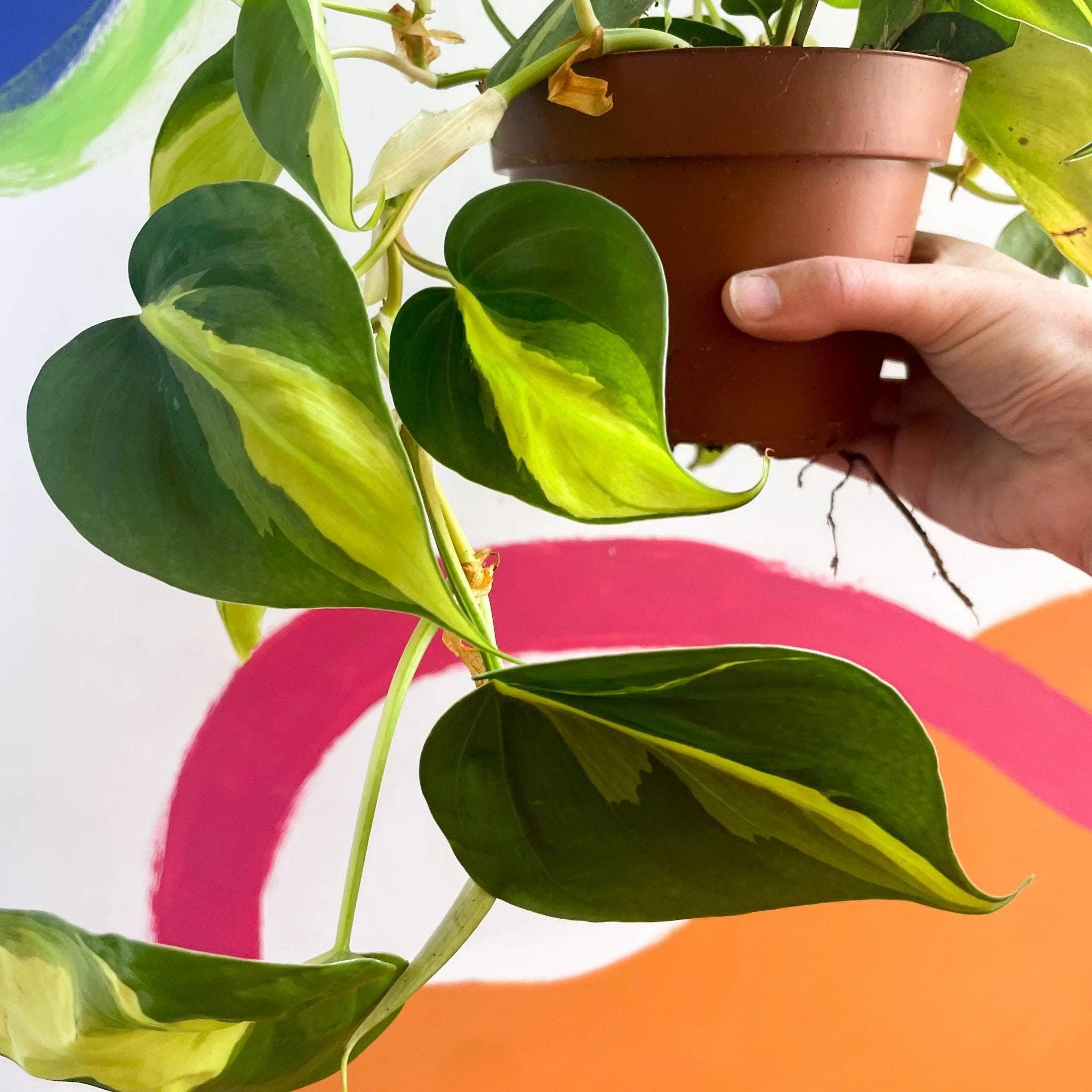
These lovely, broad-leaved plants with a splash of pale variegation are a stunning addition to your collection. They can grow upwards to a metre and spread outwards in bushy foliage too; the Leopard Lily will repay your care with its gorgeously-patterned foliage and lift the mood in your home. The high variegation on these leaves mean they really appreciate bright light, so are the perfect choice for a bright corner in need of some greenery.
Light
Thrives in bright, indirect light; dust off the leaves every now and again to maximise light in shadier locations.
Water
Allow the top third of the soil to dry out in between watering. Water with tepid or lukewarm water to avoid shocking the plant.
Humidity
Likes high humidity; if you see brown or curling leaf tips, it will appreciate a mist or the addition of a humidity tray!
Soil
Use well-draining, soil-based compost; repot every couple of years as it grows.
Food
Feed every four waters in the growing season, reduce to every six in autumn and winter.
Temperature
Ideal temperature is 20-24°C; make sure it does not get colder than 15°C in winter.
Pet-safe
No, this plant is toxic to pets and small humans.
Sprouts Top Tips
A loss of variegation likely means it's in too dark a spot; to keep them, move it somewhere brighter. Another indicator of this is dropping of lower leaves; this plant likes its light bright!
Scientific Name
Dieffenbachia (Dieffenbach's Plant) 'Amy'
Common Name
Dumb Cane, Leopard Lily, Mother-in-Law's Tongue
Origin
Native to New World Tropics, from Mexico and the West Indies to Argentina
Description
These lovely, broad-leaved plants with a splash of pale variegation are a stunning addition to your collection. They can grow upwards to a metre and spread outwards in bushy foliage too; the Leopard Lily will repay your care with its gorgeously-patterned foliage and lift the mood in your home. The high variegation on these leaves mean they really appreciate bright light, so are the perfect choice for a bright corner in need of some greenery.
Light
Thrives in bright, indirect light; dust off the leaves every now and again to maximise light in shadier locations.
Water
Allow the top third of the soil to dry out in between watering. Water with tepid or lukewarm water to avoid shocking the plant.
Humidity
Likes high humidity; if you see brown or curling leaf tips, it will appreciate a mist or the addition of a humidity tray!
Soil
Use well-draining, soil-based compost; repot every couple of years as it grows.
Food
Feed every four waters in the growing season, reduce to every six in autumn and winter.
Temperature
Ideal temperature is 20-24°C; make sure it does not get colder than 15°C in winter.
Pet-safe
No, this plant is toxic to pets and small humans.
Sprouts Top Tips
A loss of variegation likely means it's in too dark a spot; to keep them, move it somewhere brighter. Another indicator of this is dropping of lower leaves; this plant likes its light bright!
Description
Scientific Name
Dieffenbachia (Dieffenbach's Plant) 'Amy'
Common Name
Dumb Cane, Leopard Lily, Mother-in-Law's Tongue
Origin
Native to New World Tropics, from Mexico and the West Indies to Argentina
Description
These lovely, broad-leaved plants with a splash of pale variegation are a stunning addition to your collection. They can grow upwards to a metre and spread outwards in bushy foliage too; the Leopard Lily will repay your care with its gorgeously-patterned foliage and lift the mood in your home. The high variegation on these leaves mean they really appreciate bright light, so are the perfect choice for a bright corner in need of some greenery.
Light
Thrives in bright, indirect light; dust off the leaves every now and again to maximise light in shadier locations.
Water
Allow the top third of the soil to dry out in between watering. Water with tepid or lukewarm water to avoid shocking the plant.
Humidity
Likes high humidity; if you see brown or curling leaf tips, it will appreciate a mist or the addition of a humidity tray!
Soil
Use well-draining, soil-based compost; repot every couple of years as it grows.
Food
Feed every four waters in the growing season, reduce to every six in autumn and winter.
Temperature
Ideal temperature is 20-24°C; make sure it does not get colder than 15°C in winter.
Pet-safe
No, this plant is toxic to pets and small humans.
Sprouts Top Tips
A loss of variegation likely means it's in too dark a spot; to keep them, move it somewhere brighter. Another indicator of this is dropping of lower leaves; this plant likes its light bright!