Musa acuminata ‘Dwarf Cavendish’ - Banana Plant
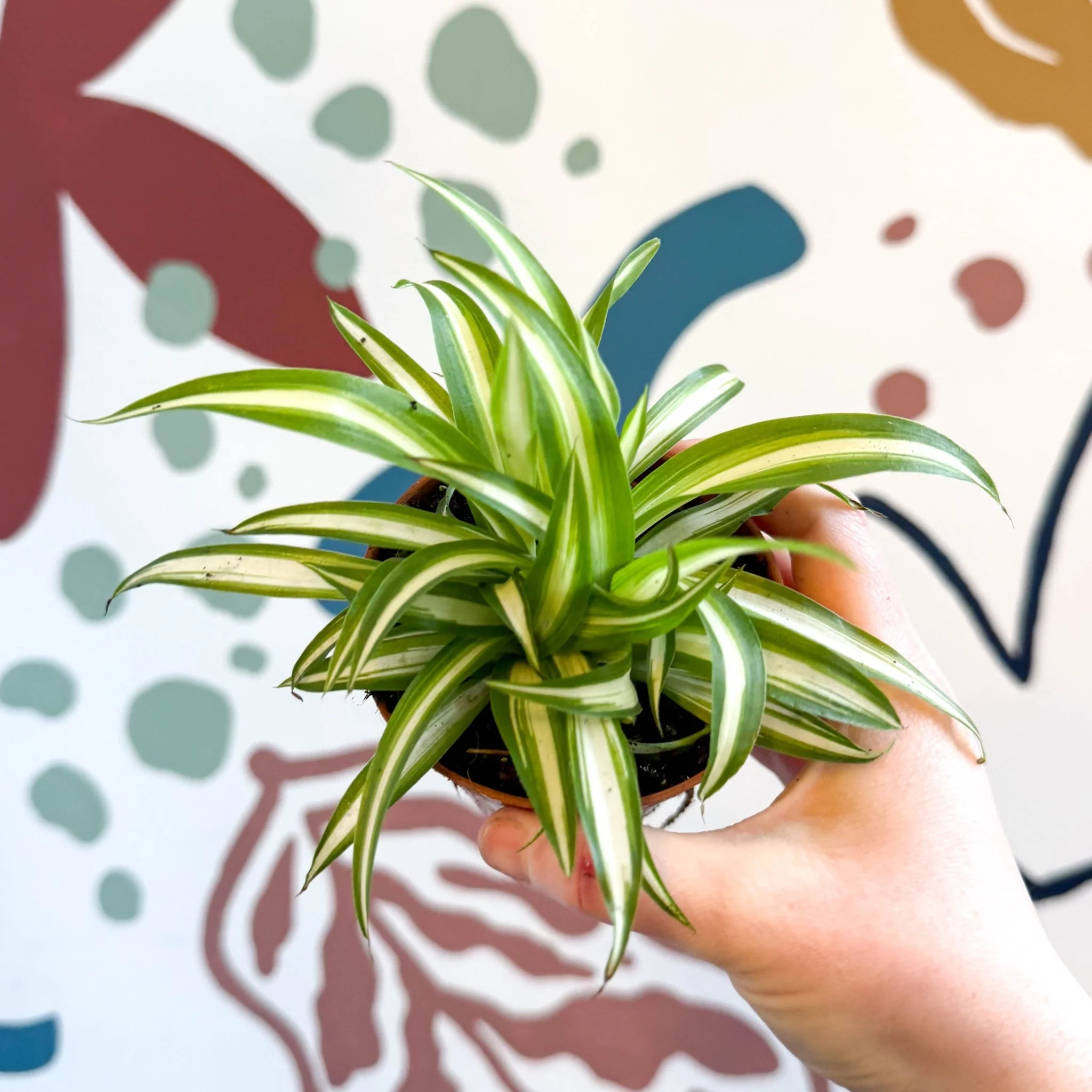
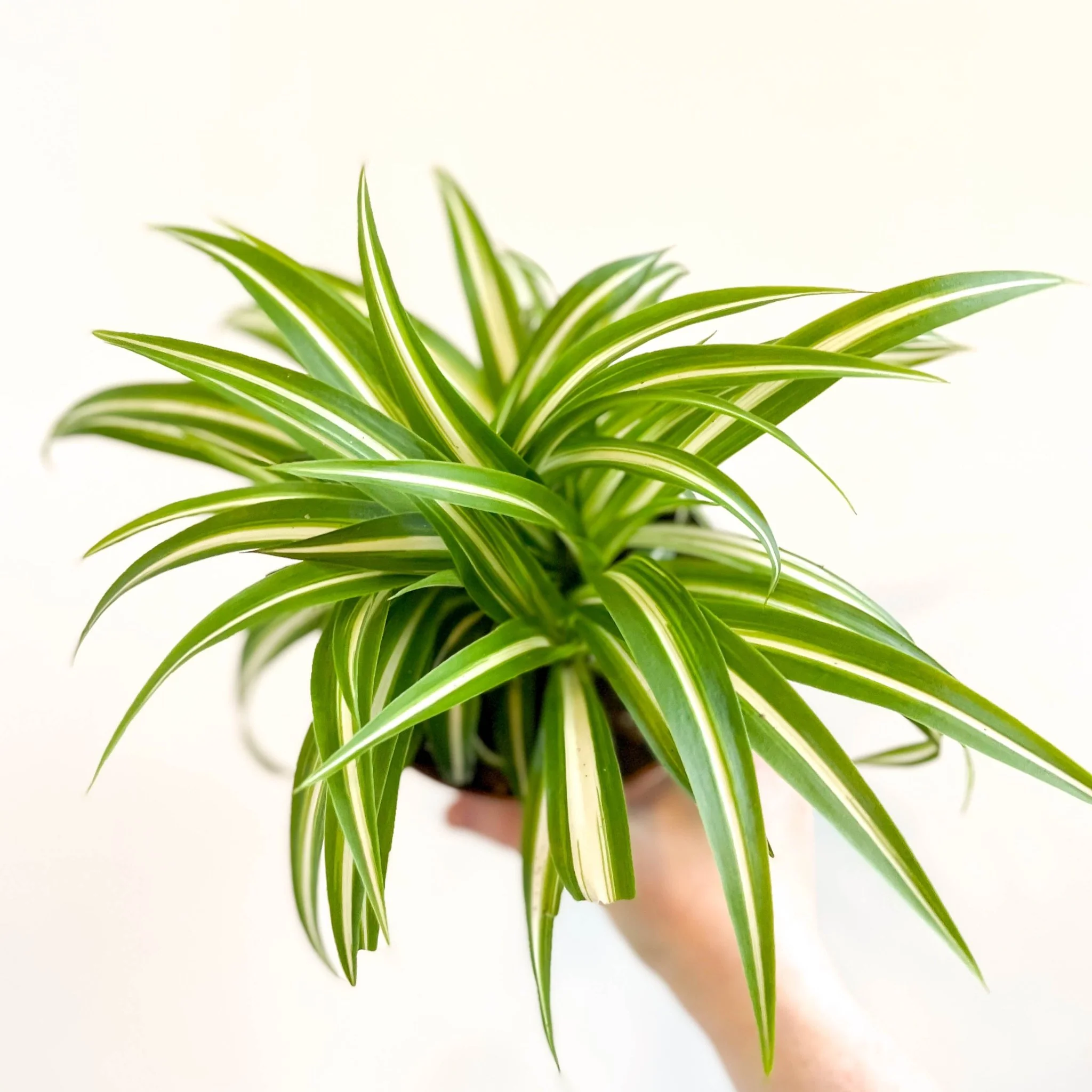
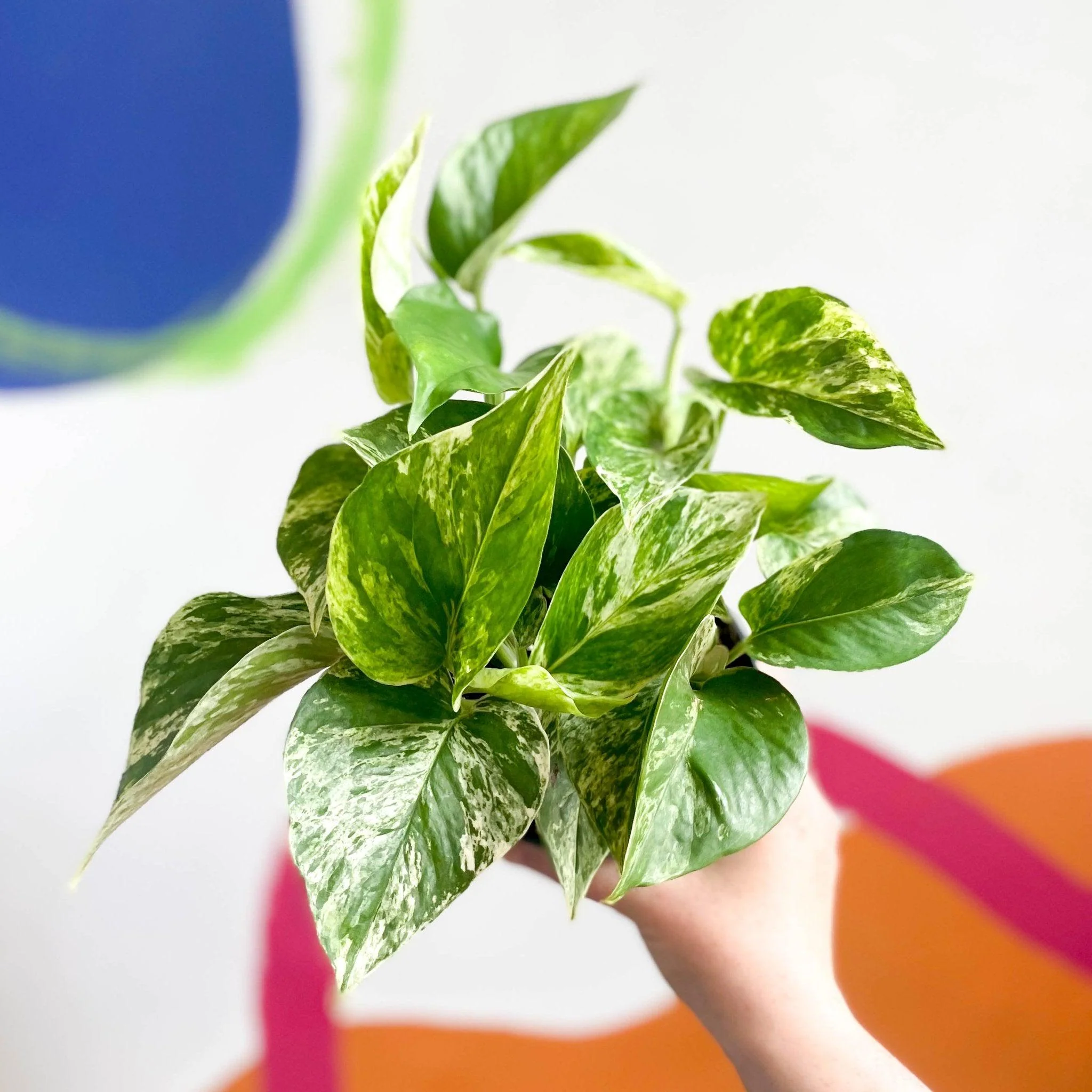
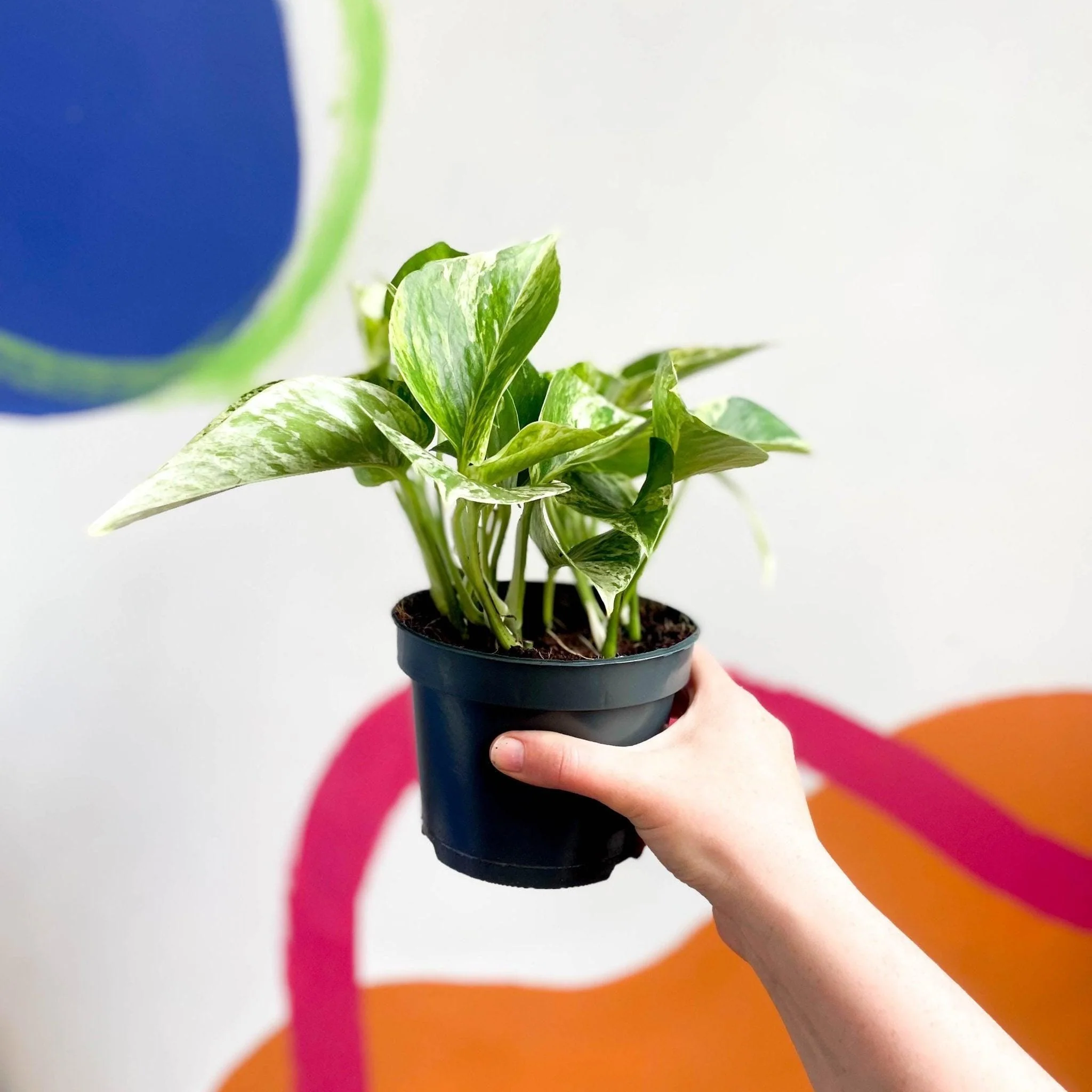
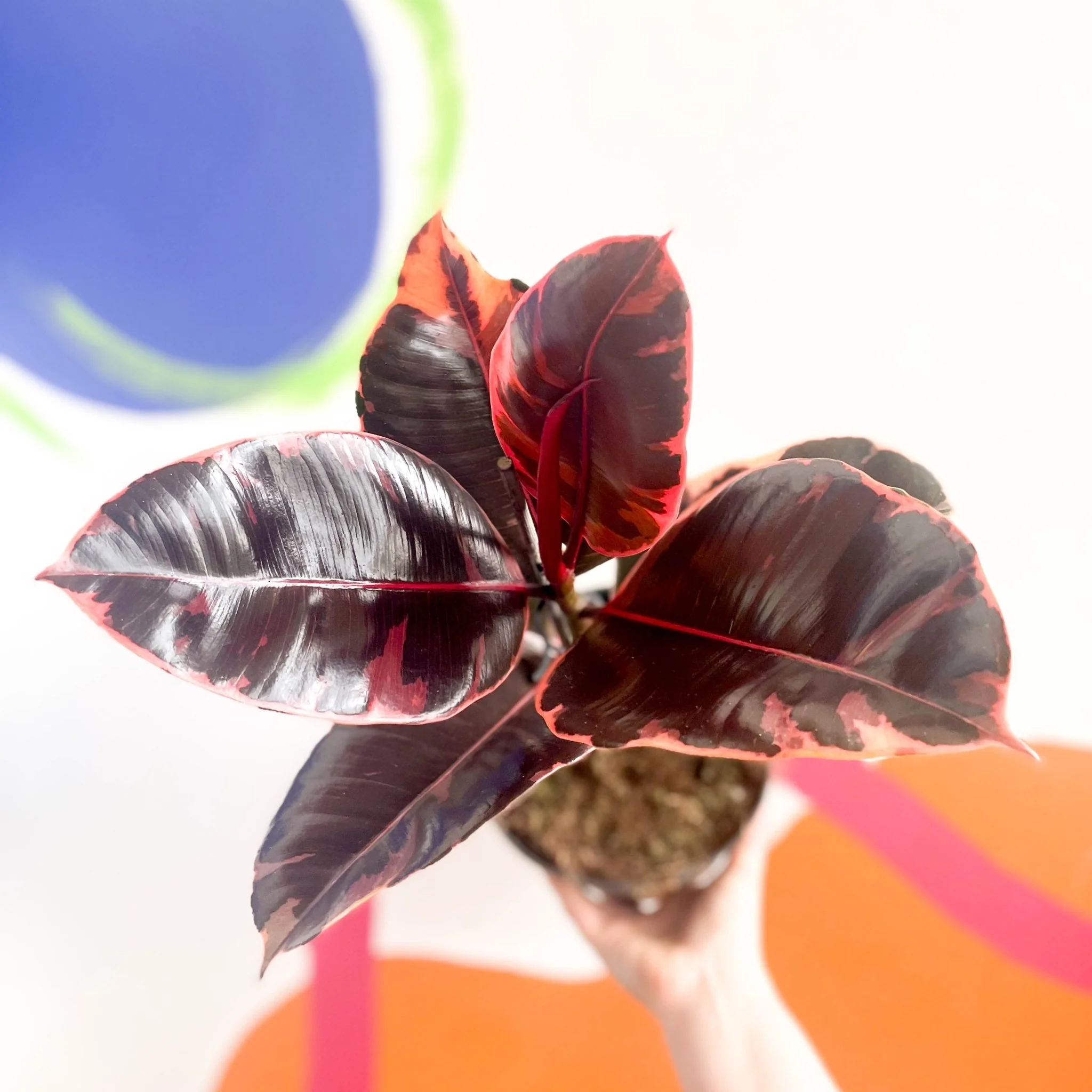
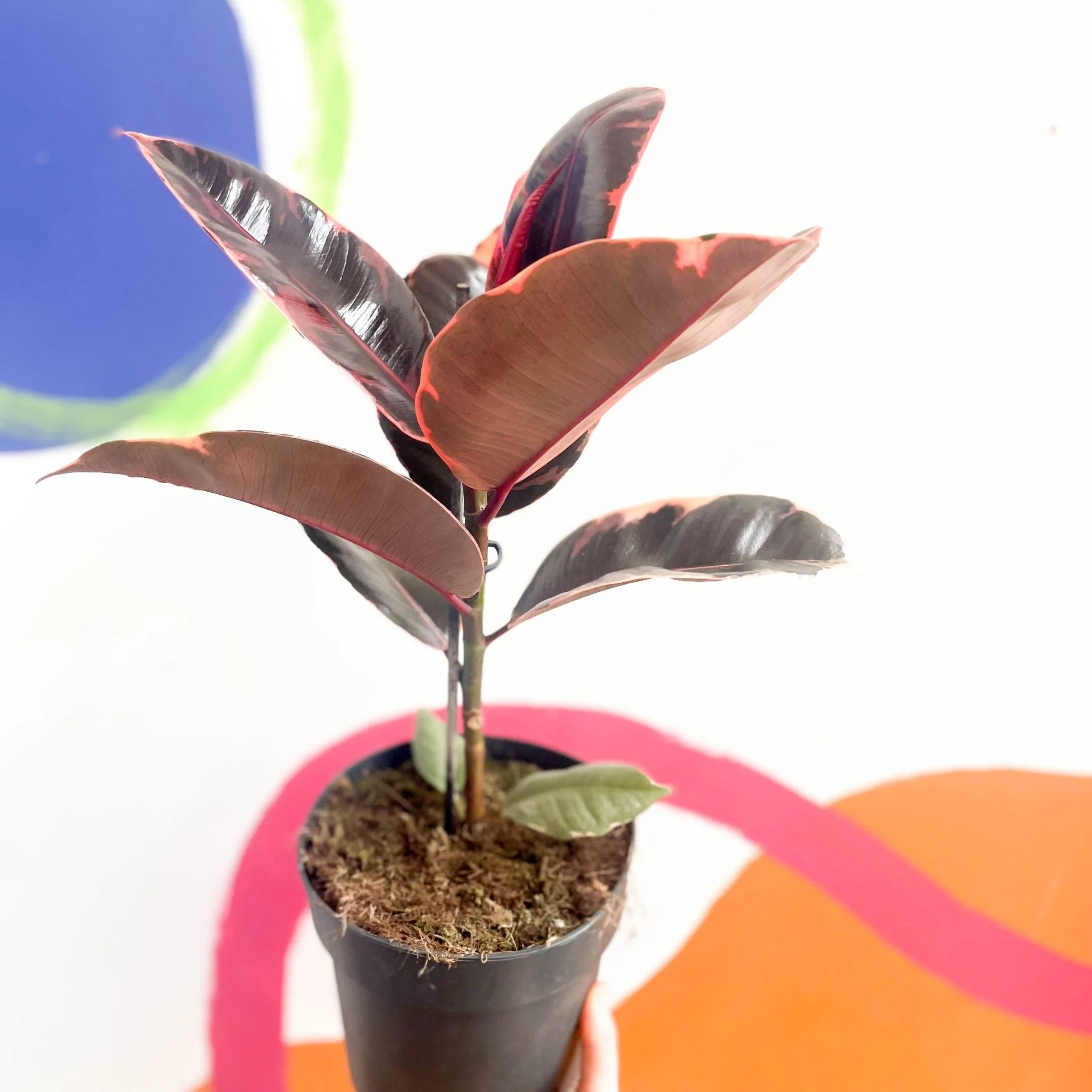
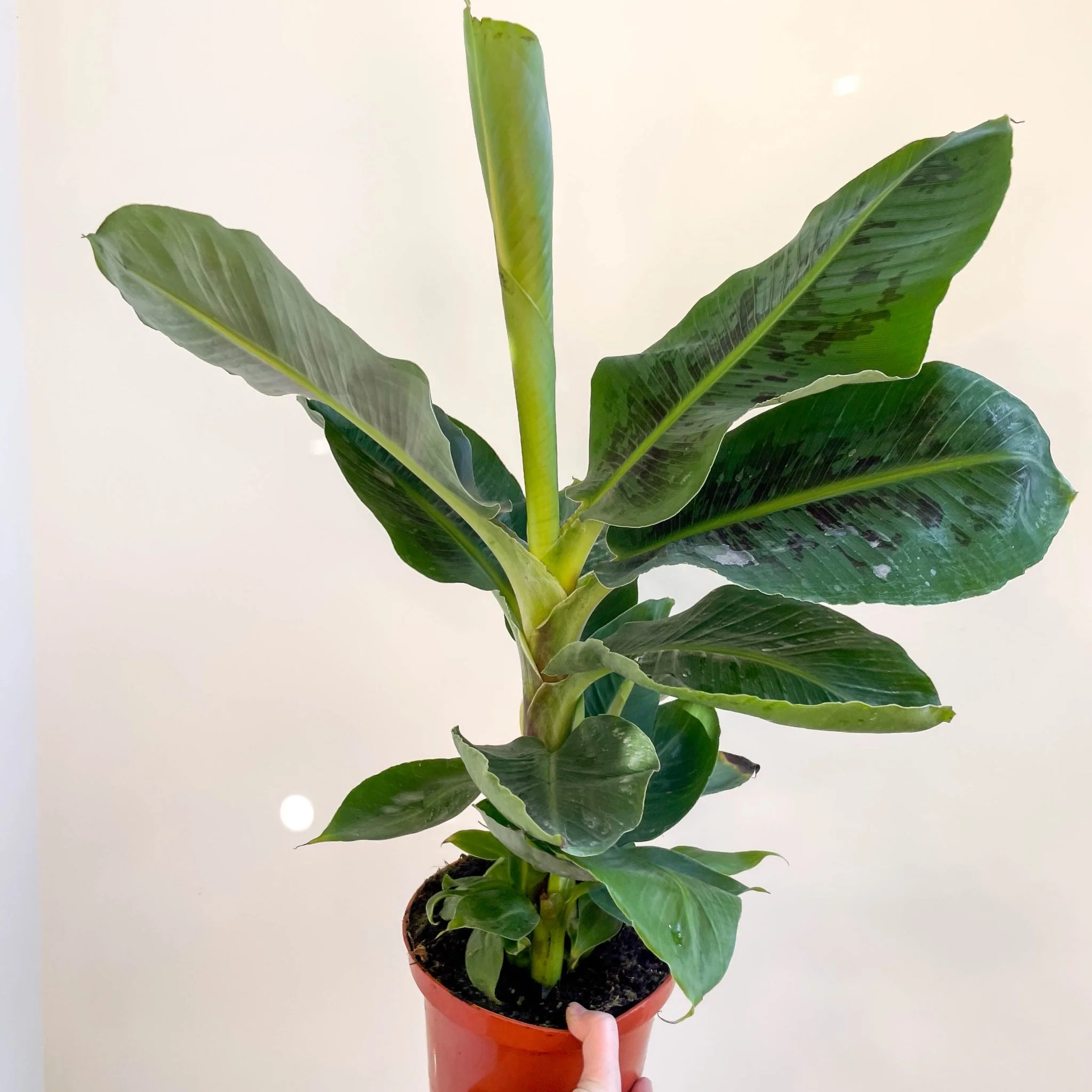
With its broad, tropical foliage and striking red-purple speckles on juvenile leaves, the Dwarf Cavendish Banana brings a slice of the tropics indoors. Although it’s unlikely to fruit inside, it makes an impressive foliage plant, growing rapidly in the right conditions. Its lush, oversized leaves add instant jungle vibes to bright rooms and conservatories.
Scientific Name
Musa acuminata ‘Dwarf Cavendish’ (from Arabic mauz and Latin acuminata, meaning “pointed” – a reference to the leaf shape)
Musa acuminata is one of the wild ancestors of the modern edible banana. The ‘Dwarf Cavendish’ cultivar was first developed for commercial growing due to its compact size. The Cavendish group is named after William Cavendish, 6th Duke of Devonshire, who grew early specimens in his glasshouses in the 1800s.
Common Name(s)
Banana Plant, Dwarf Banana, Dwarf Cavendish
Origin
Originally native to Southeast Asia; cultivated widely across tropical regions. The ‘Dwarf Cavendish’ cultivar was developed in Europe for ornamental and fruiting use.
Light
Thrives in bright, indirect light and will tolerate some direct morning or late afternoon sun. In lower light, growth slows, and the plant may become leggy.
Water
Keep soil consistently moist in spring and summer – water when the top inch feels dry. Reduce watering in winter, but don’t allow it to dry out completely. Avoid waterlogging.
Humidity
Loves high humidity. Mist regularly, use a pebble tray, or place near a humidifier – especially in winter or dry homes.
Soil
Use a rich, well-draining mix – a blend of houseplant compost with added perlite or bark works well. Repot yearly in spring if growth is strong.
Food
Feed every 2–4 weeks in the growing season with a high-nitrogen liquid feed. Pause or reduce feeding in autumn and winter.
Temp
Prefers warm conditions: 20–28°C is ideal. Protect from cold draughts and do not expose to temperatures below 12°C.
Pet-safe
Non-toxic – safe for pets and children.
Sprouts Top Tips
Banana plants are fast growers – if yours starts to lean or look unbalanced, rotate regularly and consider staking as it gets taller.
Extras
In ideal conditions, mature plants may produce side shoots or ‘pups’ – these can be separated and potted up to grow new plants.
Did You Know?
Though grown mainly for foliage indoors, Dwarf Cavendish can produce small edible bananas in tropical climates or greenhouses – but you’ll need a lot of patience (and sunshine)!
With its broad, tropical foliage and striking red-purple speckles on juvenile leaves, the Dwarf Cavendish Banana brings a slice of the tropics indoors. Although it’s unlikely to fruit inside, it makes an impressive foliage plant, growing rapidly in the right conditions. Its lush, oversized leaves add instant jungle vibes to bright rooms and conservatories.
Scientific Name
Musa acuminata ‘Dwarf Cavendish’ (from Arabic mauz and Latin acuminata, meaning “pointed” – a reference to the leaf shape)
Musa acuminata is one of the wild ancestors of the modern edible banana. The ‘Dwarf Cavendish’ cultivar was first developed for commercial growing due to its compact size. The Cavendish group is named after William Cavendish, 6th Duke of Devonshire, who grew early specimens in his glasshouses in the 1800s.
Common Name(s)
Banana Plant, Dwarf Banana, Dwarf Cavendish
Origin
Originally native to Southeast Asia; cultivated widely across tropical regions. The ‘Dwarf Cavendish’ cultivar was developed in Europe for ornamental and fruiting use.
Light
Thrives in bright, indirect light and will tolerate some direct morning or late afternoon sun. In lower light, growth slows, and the plant may become leggy.
Water
Keep soil consistently moist in spring and summer – water when the top inch feels dry. Reduce watering in winter, but don’t allow it to dry out completely. Avoid waterlogging.
Humidity
Loves high humidity. Mist regularly, use a pebble tray, or place near a humidifier – especially in winter or dry homes.
Soil
Use a rich, well-draining mix – a blend of houseplant compost with added perlite or bark works well. Repot yearly in spring if growth is strong.
Food
Feed every 2–4 weeks in the growing season with a high-nitrogen liquid feed. Pause or reduce feeding in autumn and winter.
Temp
Prefers warm conditions: 20–28°C is ideal. Protect from cold draughts and do not expose to temperatures below 12°C.
Pet-safe
Non-toxic – safe for pets and children.
Sprouts Top Tips
Banana plants are fast growers – if yours starts to lean or look unbalanced, rotate regularly and consider staking as it gets taller.
Extras
In ideal conditions, mature plants may produce side shoots or ‘pups’ – these can be separated and potted up to grow new plants.
Did You Know?
Though grown mainly for foliage indoors, Dwarf Cavendish can produce small edible bananas in tropical climates or greenhouses – but you’ll need a lot of patience (and sunshine)!
Description
With its broad, tropical foliage and striking red-purple speckles on juvenile leaves, the Dwarf Cavendish Banana brings a slice of the tropics indoors. Although it’s unlikely to fruit inside, it makes an impressive foliage plant, growing rapidly in the right conditions. Its lush, oversized leaves add instant jungle vibes to bright rooms and conservatories.
Scientific Name
Musa acuminata ‘Dwarf Cavendish’ (from Arabic mauz and Latin acuminata, meaning “pointed” – a reference to the leaf shape)
Musa acuminata is one of the wild ancestors of the modern edible banana. The ‘Dwarf Cavendish’ cultivar was first developed for commercial growing due to its compact size. The Cavendish group is named after William Cavendish, 6th Duke of Devonshire, who grew early specimens in his glasshouses in the 1800s.
Common Name(s)
Banana Plant, Dwarf Banana, Dwarf Cavendish
Origin
Originally native to Southeast Asia; cultivated widely across tropical regions. The ‘Dwarf Cavendish’ cultivar was developed in Europe for ornamental and fruiting use.
Light
Thrives in bright, indirect light and will tolerate some direct morning or late afternoon sun. In lower light, growth slows, and the plant may become leggy.
Water
Keep soil consistently moist in spring and summer – water when the top inch feels dry. Reduce watering in winter, but don’t allow it to dry out completely. Avoid waterlogging.
Humidity
Loves high humidity. Mist regularly, use a pebble tray, or place near a humidifier – especially in winter or dry homes.
Soil
Use a rich, well-draining mix – a blend of houseplant compost with added perlite or bark works well. Repot yearly in spring if growth is strong.
Food
Feed every 2–4 weeks in the growing season with a high-nitrogen liquid feed. Pause or reduce feeding in autumn and winter.
Temp
Prefers warm conditions: 20–28°C is ideal. Protect from cold draughts and do not expose to temperatures below 12°C.
Pet-safe
Non-toxic – safe for pets and children.
Sprouts Top Tips
Banana plants are fast growers – if yours starts to lean or look unbalanced, rotate regularly and consider staking as it gets taller.
Extras
In ideal conditions, mature plants may produce side shoots or ‘pups’ – these can be separated and potted up to grow new plants.
Did You Know?
Though grown mainly for foliage indoors, Dwarf Cavendish can produce small edible bananas in tropical climates or greenhouses – but you’ll need a lot of patience (and sunshine)!